
 Wearable Technology for Health Monitoring for Seniors
As technology continues to advance, its role in healthcare becomes increasingly vital, especially for senior men. Wearable technology, in particular, has emerged as a game-changer in health monitoring. This article explores the various ways wearable devices can improve your health and well-being, offering insights into the benefits, types, and considerations for choosing the right device.
The Benefits of Wearable Technology for Senior Men
Wearable technology offers numerous advantages that go beyond just tracking steps. For senior men, these devices can be essential tools in managing and improving overall health. Below are some key benefits:
- Continuous Health Monitoring: Wearable devices allow for 24/7 monitoring of vital signs such as heart rate, blood pressure, and oxygen levels. This real-time data can alert you to any sudden changes, helping prevent serious health issues before they escalate.
- Encouraging Physical Activity: Many wearable devices come with built-in reminders to stay active, which is crucial for maintaining mobility and reducing the risk of chronic diseases such as diabetes and heart conditions.
- Medication Reminders: Forgetting to take medication is a common issue for seniors. Wearable devices can send reminders at specific times, ensuring that you never miss a dose.
- Emergency Assistance: Some wearables include features like fall detection and SOS alerts. In case of an emergency, these devices can automatically notify your emergency contacts or medical services.
Types of Wearable Health Devices
There is a wide range of wearable devices available, each offering different features tailored to various needs. Understanding these options can help you choose the right device that best suits your lifestyle.
- Fitness Trackers: These are ideal for those looking to monitor their physical activity. Fitness trackers can count steps, monitor sleep patterns, and track calories burned. They often include heart rate monitors as well.
- Smartwatches: Beyond just telling time, smartwatches are equipped with advanced health monitoring features. Many models can monitor your heart rate, track your sleep, measure oxygen levels, and even perform ECGs (electrocardiograms).
-
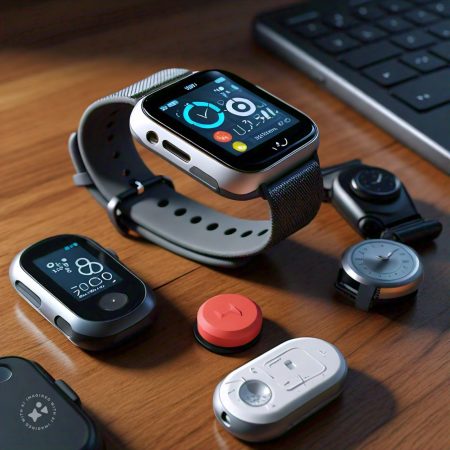
Medical Alert Devices: These devices are designed with safety in mind. They can detect falls and send alerts to emergency contacts. Some models also come with GPS tracking, which can be particularly useful for seniors who may have dementia or Alzheimer’s.
- Wearable ECG Monitors: These are specialized devices for those at risk of heart conditions. They offer continuous heart monitoring and can detect irregular heartbeats or other cardiovascular issues.
How to Choose the Right Wearable Device
With so many options on the market, selecting the right wearable device can be daunting. Here are some tips to help you make an informed decision:
- Identify Your Needs: Start by considering what you want to monitor. Is it physical activity, heart health, or medication management? This will help narrow down your options.
- Consider Comfort: Since wearable devices are meant to be worn throughout the day, comfort is crucial. Look for devices that are lightweight and made from skin-friendly materials.
- Check Compatibility: Ensure that the device is compatible with your smartphone or tablet. This will allow you to sync data and access your health information easily.
- Battery Life: Some devices need to be charged daily, while others can last several days or even weeks on a single charge. Choose one that fits your lifestyle.
- Read Reviews: Before making a purchase, read reviews from other senior men. Their experiences can offer valuable insights into the device’s performance and reliability.

Integrating Wearable Technology into Your Daily Routine
Adopting wearable technology can initially feel overwhelming, but with a few simple steps, you can seamlessly integrate it into your daily routine:
- Start Small: Begin by using the device for one or two features, such as step counting or heart rate monitoring. As you become more comfortable, explore other functionalities.
- Set Goals: Many devices allow you to set daily goals, like walking a certain number of steps or achieving a target heart rate. These goals can motivate you to stay active and healthy.
- Use Reminders: Take advantage of the reminder features to help manage your medication, hydration, and physical activity. These reminders can be crucial in maintaining a healthy routine.
- Regularly Review Your Data: Make it a habit to check the data collected by your device. This can help you understand trends in your health and make necessary adjustments to your lifestyle.
The Future of Wearable Technology in Health Monitoring
The future of wearable technology looks promising, with ongoing innovations aimed at providing even more comprehensive health monitoring solutions. Emerging technologies like AI-powered wearables and advanced biometric sensors are expected to offer more accurate and personalized health data. For senior men, this means greater independence and a better quality of life.
As these technologies evolve, wearable devices may soon become an indispensable part of your healthcare routine, offering peace of mind and helping you live a healthier, more connected life.
Wearable Technology for Health Monitoring for Seniors – Final thoughts
Wearable technology offers senior men a powerful tool for managing and monitoring their health. From tracking physical activity to providing emergency assistance, these devices can significantly enhance your well-being and independence. If you’re considering integrating wearable technology into your life, take the time to choose the right device for your needs and start reaping the benefits.
We’d love to hear your thoughts and experiences with wearable technology. Have you tried any of these devices? How have they impacted your life? Please share your stories in the comments below, and don’t forget to share this article with friends who might benefit from it.


