

Introduction to Dance for Seniors
For many seniors, crossword puzzles are not just a pastime; they’re a delightful way to keep the mind sharp while enjoying a bit of fun. Among the myriad of clues you might encounter, “dance for seniors crossword clue” is a common one. Understanding this clue not only helps in solving puzzles but also opens the door to a vibrant world of physical activity that can enhance the quality of life in older adults.
Dancing is more than just a form of entertainment; it’s a holistic activity that combines exercise, social interaction, and mental stimulation. As we age, maintaining our physical health becomes increasingly important, and dance offers a unique solution. This article will dive into various dance styles suitable for seniors, the benefits they provide, and how you can incorporate them into your life. Whether you’re looking to enhance your crossword-solving skills or simply seeking ways to stay active, this guide will provide valuable insights.
Understanding the Crossword Clue: Dance for Seniors
What Does the Clue Mean?
When you come across the clue “dance for seniors” in a crossword puzzle, it typically refers to dance styles or activities that are well-suited for older adults. This can include a range of dances that prioritize ease of movement, social interaction, and accessibility. Here are a few examples of common dance styles that may fit the clue:
- Waltz: A classic ballroom dance that is graceful and slow-paced, perfect for seniors looking to enjoy partner dancing.
- Line Dancing: A popular group activity that involves choreographed steps, allowing for fun without the need for a partner.
- Swing Dance: An energetic and enjoyable dance style that offers opportunities for socializing and exercise.
These dances are designed to be engaging while ensuring safety and comfort for participants.
Why Is Dance Important for Seniors?
Dancing offers a plethora of benefits for seniors. Here are some key reasons why dance is an important activity for older adults:
- Physical Health: Dancing promotes cardiovascular health, improves balance, and strengthens muscles, which can help prevent falls—a common concern among older adults.
- Mental Stimulation: Engaging in dance requires coordination and memory, providing a mental workout that can enhance cognitive function.
- Social Connection: Dance classes and events foster a sense of community, helping to combat feelings of loneliness and isolation that some seniors may experience.
- Emotional Well-Being: Dance has been shown to improve mood and reduce symptoms of anxiety and depression, contributing to overall emotional health.
Incorporating dance into your routine not only helps in maintaining physical health but also enriches your social life, making it a fantastic activity for seniors.
Common Dances Suitable for Seniors
Popular Dance Styles for Seniors
Line dancing has become a favorite among seniors due to its simplicity and social nature. This dance style involves a sequence of steps that participants perform in unison, typically without a partner. Here are some of the benefits of line dancing:
- Social Interaction: Line dancing classes create a fun environment where seniors can meet new people and build friendships.
- Cognitive Engagement: Learning and remembering dance routines can enhance mental agility and memory.
- Low-Impact Exercise: Line dancing provides a good cardiovascular workout without excessive strain on the joints.
Popular Line Dances to Try:
- The Electric Slide
- The Cupid Shuffle
- The Achy Breaky Heart Dance
Ballroom dancing encompasses a variety of partner dances that are often seen in competitions and social gatherings. Styles such as the waltz, tango, and foxtrot can be particularly enjoyable for seniors.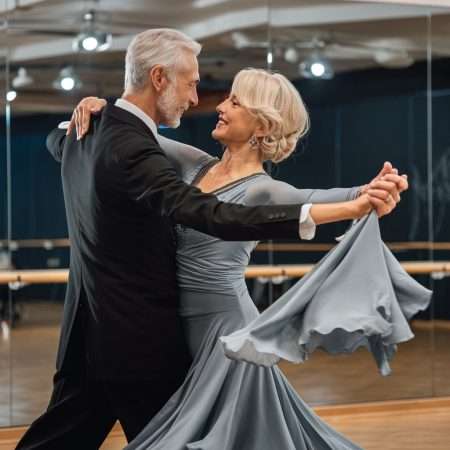
- Grace and Elegance: Ballroom dancing allows seniors to express themselves while enjoying the rhythm of music.
- Connection with a Partner: Dancing with a partner fosters connection and can strengthen social bonds.
Benefits of Ballroom Dancing:
- Enhances balance and coordination.
- Provides a full-body workout.
- Offers opportunities for attending social events, enhancing one’s social life.
Swing Dancing
Swing dancing is known for its lively music and upbeat movements. This style includes various dances like the Lindy Hop and East Coast Swing, making it versatile and enjoyable.
- Energetic Fun: Swing dancing is often energetic, helping to boost cardiovascular fitness and stamina.
- Creative Expression: The improvisational nature of swing dancing allows for personal expression and spontaneity.
Benefits of Swing Dancing:
- Improves flexibility and coordination.
- Increases social engagement through group activities and classes.
- Promotes a joyful atmosphere with lively music.
Low-Impact Dance Options
For seniors who may have mobility challenges or prefer gentler forms of exercise, low-impact dance options provide excellent alternatives.
Zumba Gold
Zumba Gold is a modified version of traditional Zumba, designed specifically for older adults. This dance fitness program incorporates Latin and international music with dance moves that are easy to follow.
- Fun and Energetic: Zumba Gold classes are often vibrant and enjoyable, making exercise feel less like a chore.
- Community Atmosphere: Classes create a supportive environment where seniors can socialize while getting fit.
Benefits of Zumba Gold:
- Enhances cardiovascular health.
- Improves coordination and flexibility.
- Increases confidence in movement.
Chair Dancing
For seniors with limited mobility, chair dancing offers a fantastic way to engage in movement without the need for standing. This style involves performing dance routines while seated, making it accessible to everyone.
- Inclusive: Chair dancing allows seniors to participate regardless of physical limitations.
- Engaging Music: Classes often incorporate a variety of musical genres, making it enjoyable for participants.
Benefits of Chair Dancing:
- Improves upper body strength and coordination.
- Provides a fun way to engage in physical activity.
- Encourages social interaction through group classes.
Key Takeaway
Dancing is a versatile activity that offers numerous benefits for seniors, from social engagement to physical fitness. Whether you choose to participate in line dancing, ballroom dancing, swing dancing, Zumba Gold, or chair dancing, there are options to suit every preference and ability level. As you explore these dance styles, you’ll likely find not only a fun way to stay active but also a vibrant community to connect with.
 Finding Dance Classes for Seniors
Now that we’ve explored the different dance styles suitable for seniors, let’s discuss how to find dance classes that cater specifically to older adults. This section will provide guidance on where to look for classes, what to consider when selecting a program, and tips for getting started.
Where to Look for Dance Classes
Local Community Centers
Many local community centers offer dance classes specifically designed for seniors. These classes can range from ballroom to line dancing, providing various options to choose from. Here are a few benefits of taking classes at community centers:
- Affordability: Community centers often offer classes at a lower cost compared to private studios.
- Accessibility: These classes are usually held in familiar locations, making them easy to access.
Senior Centers
Looking for a “dance for seniors crossword clue”? Senior centers are your answer! These centers frequently host dance programs and classes tailored for older adults, focusing on promoting socialization and physical activity among seniors.
- Social Engagement: Classes provide opportunities for seniors to meet new friends and engage in community activities.
- Variety of Classes: Many senior centers offer different dance styles, allowing seniors to explore what they enjoy most.
Dance Studios
Some dance studios specialize in offering classes for older adults, including low-impact dance options and ballroom dancing. These dance for seniors crossword clue solutions often have experienced instructors who understand the needs of seniors.
- Professional Instruction: Dance studios may provide a more structured environment with trained instructors.
- Variety of Dance Styles: Studios usually offer a range of classes, from social dancing to fitness-focused sessions.
What to Consider When Choosing a Dance Class
When selecting a dance class, seniors should consider several factors to ensure the best experience:
Class Level
Look for classes that match your skill level. Many studios and centers offer beginner, intermediate, and advanced classes. Choosing the right level will enhance the learning experience and prevent frustration.
Class Size
Smaller class sizes often provide more personalized attention from instructors, allowing for better learning and adaptation to individual needs.
Instructor Qualifications
Research the qualifications and experience of the instructors. Experienced teachers will understand how to adapt classes for seniors, ensuring a safe and enjoyable experience.
Class Environment
Visit or inquire about the class environment. A friendly and supportive atmosphere will help seniors feel more comfortable and encourage participation.
Getting Started with Dance
If you’re new to dancing or returning after a long break, here are some tips to help you ease into it:
Start Slow
Begin with classes that focus on basic movements and gradually build your skills. Don’t hesitate to ask instructors for modifications if needed.
Wear Comfortable Clothing
Choose comfortable, flexible clothing and supportive footwear to enhance your dancing experience. Proper attire can make a significant difference in comfort and mobility.

Stay Hydrated
Always drink water before and after class to stay hydrated, especially during more intense sessions.
Listen to Your Body
Pay attention to how your body feels during and after dancing. If you experience discomfort or pain, take a break or consult with a healthcare professional before continuing.
Have Fun!
Remember, the primary goal of dancing is to enjoy yourself. Embrace the joy of movement, make new friends, and have fun!
Key Takeaway
Finding the right dance class for seniors can significantly enhance your experience and encourage a lifelong love of dance. With options ranging from community centers to specialized dance studios, there are numerous opportunities to engage in this enjoyable activity. By considering factors such as class level, instructor qualifications, and environment, you can find the perfect fit for your dancing journey.
The Health Benefits of Dance for Seniors
As we continue to explore the dance for seniors crossword clue, it’s crucial to understand the myriad health benefits that dancing provides to older adults. Regular participation in dance activities can positively impact both physical and mental well-being.
Physical Benefits of Dancing
Dancing offers a comprehensive workout that engages multiple muscle groups and promotes overall fitness. Here are some key physical benefits:
Improved Balance and Coordination
Dancing requires movement in various directions, which can help improve balance and coordination. This is particularly important for seniors, as maintaining balance can prevent falls and related injuries.
- Research Insight: A study published in the Journal of Aging and Physical Activity found that seniors who participated in dance classes showed significant improvements in balance compared to those who engaged in non-dance physical activities. The National Institute on Aging also emphasizes the importance of balance exercises for fall prevention.
Enhanced Flexibility
Many dance styles incorporate stretching and movement that promote flexibility. Improved flexibility can enhance mobility and ease daily activities.
- Example Exercises: Styles like ballet and ballroom involve movements that stretch and strengthen muscles, helping seniors maintain their range of motion. The National Institute on Aging recommends flexibility exercises as a key component of a senior fitness routine.
Cardiovascular Health
Dancing is an excellent cardiovascular workout, which can improve heart health and endurance. Regular participation can help lower blood pressure and improve circulation.
- Active Lifestyle Connection: Engaging in dance classes a few times a week can contribute to meeting the AHA recommended 150 minutes of moderate-intensity aerobic activity for older adults. The American Heart Association also endorses dancing as a fun way to improve cardiovascular health.
Mental Benefits of Dancing
In addition to physical advantages, dancing also provides significant mental health benefits:
Cognitive Stimulation
Learning new dance routines and steps requires focus and memory, providing excellent cognitive stimulation. Engaging the brain in this way can help slow cognitive decline.
- Memory Enhancement: The process of memorizing dance steps and patterns can boost memory and overall brain function. The National Institute on Aging notes that engaging in mentally stimulating activities is important for brain health.
Stress Relief
Dance can serve as a form of self-expression, helping to reduce stress and anxiety. The joy of movement and music can lift spirits and create a sense of well-being.
- Emotional Connection: Participating in dance classes fosters a supportive community, providing social interaction that can further alleviate feelings of loneliness and depression.
Boosting Mood
Physical activity, including dancing, releases endorphins—often referred to as “feel-good” hormones. This natural boost can improve mood and promote a more positive outlook on life.
- Quote: As the renowned dancer Martha Graham once said,
Dance is the hidden language of the soul.” Engaging in dance can indeed express and enhance emotional well-being. The American Psychological Association highlights exercise like dance as an effective way to manage stress and improve mood.
 Social Benefits of Dancing
Dancing is inherently a social activity, providing opportunities for interaction and connection:
Building Community
Dance classes often attract like-minded individuals, fostering friendships and a sense of belonging. This community aspect can be incredibly beneficial for seniors, combatting isolation.
- Group Activities: Participating in group dances and social events helps seniors build new relationships and engage in meaningful interactions. The CDC reports that social isolation significantly increases a person’s risk of premature death.
Intergenerational Engagement
Many dance programs encourage intergenerational participation, where younger and older adults can dance together. This interaction not only enriches the experience but also builds connections between generations.
- Example Programs: Programs like “Dancing with the Generations” involve collaboration between seniors and youth, creating bonds through shared movement and music.
Tips for Engaging with Dance Programs
If you’re excited about exploring dance as a senior activity, here are some practical tips for getting involved:
- Attend a Free Trial Class
- Many studios and community centers offer free trial classes. This allows you to experience different styles without commitment.
- Invite a Friend
- Dancing is more fun with a buddy. Invite a friend or family member to join you for classes, making it a social outing.
- Explore Online Options
- If in-person classes are not feasible, consider online dance classes. Many instructors offer virtual lessons tailored for seniors.
- Participate in Community Events
- Look for local dance events or workshops specifically for seniors. These events often create a friendly atmosphere for newcomers.
- Stay Open to Learning
- Approach new dance styles with an open mind. You may discover a passion for a dance style you never considered before.
Conclusion
The dance for seniors crossword clue not only opens up a world of enjoyable activities but also highlights the numerous benefits that dancing brings to older adults. From improving physical health and enhancing mental well-being to fostering social connections, dance can be a transformative experience for seniors.
Whether you’re looking for a fun way to stay active, a new hobby to engage in, or a chance to connect with others, dancing provides an excellent solution. So lace up your dancing shoes, find a class that suits your interests, and let the music guide you on this joyous journey of movement and connection.
Key Takeaways
- Dance Offers Health Benefits: Regular participation in dance can improve physical health, mental well-being, and social connections for seniors.
- Explore Different Styles: There are numerous dance styles to explore, including line dancing, ballroom dancing, chair dancing, and more.
- Getting Started is Easy: Look for classes in community centers, senior centers, and dance studios, and consider trying different styles until you find the right fit. The National Council on Aging can help you locate appropriate programs in your area.


